As Sigma prepares to connect with nurse researchers from around the world in Seattle for the 36th International Nursing Research Congress, we asked four presenters to share what fuels their passion for research and how their work is transforming global nursing knowledge.
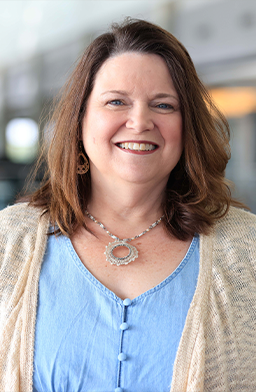 Meaningful Mentoring: Creating a Belonging Environment for Faculty Retention
With Tonja M. Padgett, DNP, RN, ACNS-BC, CNE, FIAAN (North America)
Mentoring to the new faculty role can help with retention and recruitment of new nursing faculty, as well as aide in faculty preparedness. Based on feedback from past program evaluations, academic leadership interviews, and a literature review, a 10-month mentoring program was designed and implemented on three regional campuses for 28 new faculty.
I am passionate about this topic because it will better the experience of the new faculty and help them acclimate to their new role.
This research supports evidence that the program provides institutional support and may contribute to the preparedness, retention, and job satisfaction of new faculty.
Tonja is a member of Sigma’s Alpha Chapter.
 Factors Impacting Nurse Perception of Professional Development in a Saudi
Arabian Health Organization
With Joanne London, MClinEd, MDip, BsN, RN (Middle East)
There are limited research studies on nurses' lived experiences of Nursing Professional Development (NPD) in the Saudi Arabian context. My research revealed five key areas that have an impact on professional development. The unique context of transformation that Saudi Arabia has been undergoing for the past 5-10 years has an impact on the perspectives shared by both expatriate nurses as well as Saudi Arabian nurses. It highlights that NPD is impacted by internal and external factors.
As an Australian RN practicing nursing in a foreign country, it took me many years to become culturally competent. Once the competence and confidence were present, engagement with the system became fluid and the fulfilment of being a nurse caring for patients returned.
It was the experience of nursing in Saudi Arabia that developed my passion for NPD. I then began to look deeper at NPD within the context of an organization. I began to reflect on my own engagement with NPD and observed the engagement of the expatriate nurses and the Saudi Arabian national nurses with the same NPD system and how it was experienced differently in each of us.
My research is important for nursing as it highlights the lived experiences of nurses in this unique cultural context. Excellent nursing practice = Active engagement with professional development.
NPD success is a shared responsibility by key stakeholders:
- Nurses
- Nursing leadership
- Hospital management
Alignment with organizational vision and mission is key.
Joanne is a member of Sigma’s Alpha Gamma Epsilon Chapter.
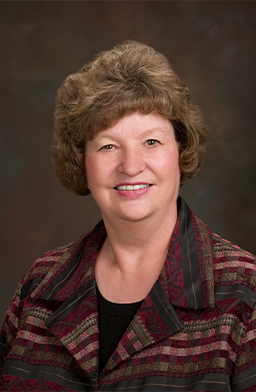 Learning and Trending From Workplace Violence Incident Reports: Five Years of Data
With Carol A. Boswell, EdD, RN, CNE, ANEF, FAAN (North America)
This research investigated the emotions reflected within the documentation of workplace violence incident reports. The words written by individuals encountering workplace violence incidents provide a thought-provoking look into what is needed to support healthcare providers as they deal with daily experiences.
Workplace violence should not be allowed at any level. As healthcare providers, we must understand this process and seek ways to confront and eliminate it.
It provides another dimension to understanding the workplace violence culture that we must address in a positive and appropriate manner.
Carol is a member of Sigma’s Iota Mu Chapter.
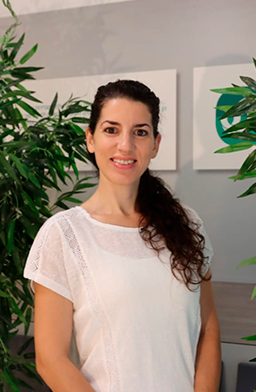 The Role of Assignments and Varied Teaching Methods in Nursing Students' Success
With Ayala Grinshpun, MPH, BSN, RN (Europe)
I compared two nursing programs that used the same online recorded lectures but had a different number of assignments. The program with more assignments and learning activities had better student success, demonstrating the importance of practice and engagement in learning.
As an educator, I care about helping students succeed. I want to understand how different teaching methods affect their learning so we can design better courses that truly support their progress and confidence.
Nursing education shapes the competence and preparedness of future nurses. By identifying effective teaching strategies, we ensure that nursing students are not only knowledgeable but also capable of thinking critically and applying their skills in real-life healthcare settings.
Ayala is a member of Sigma’s Omega Lambda Chapter.